
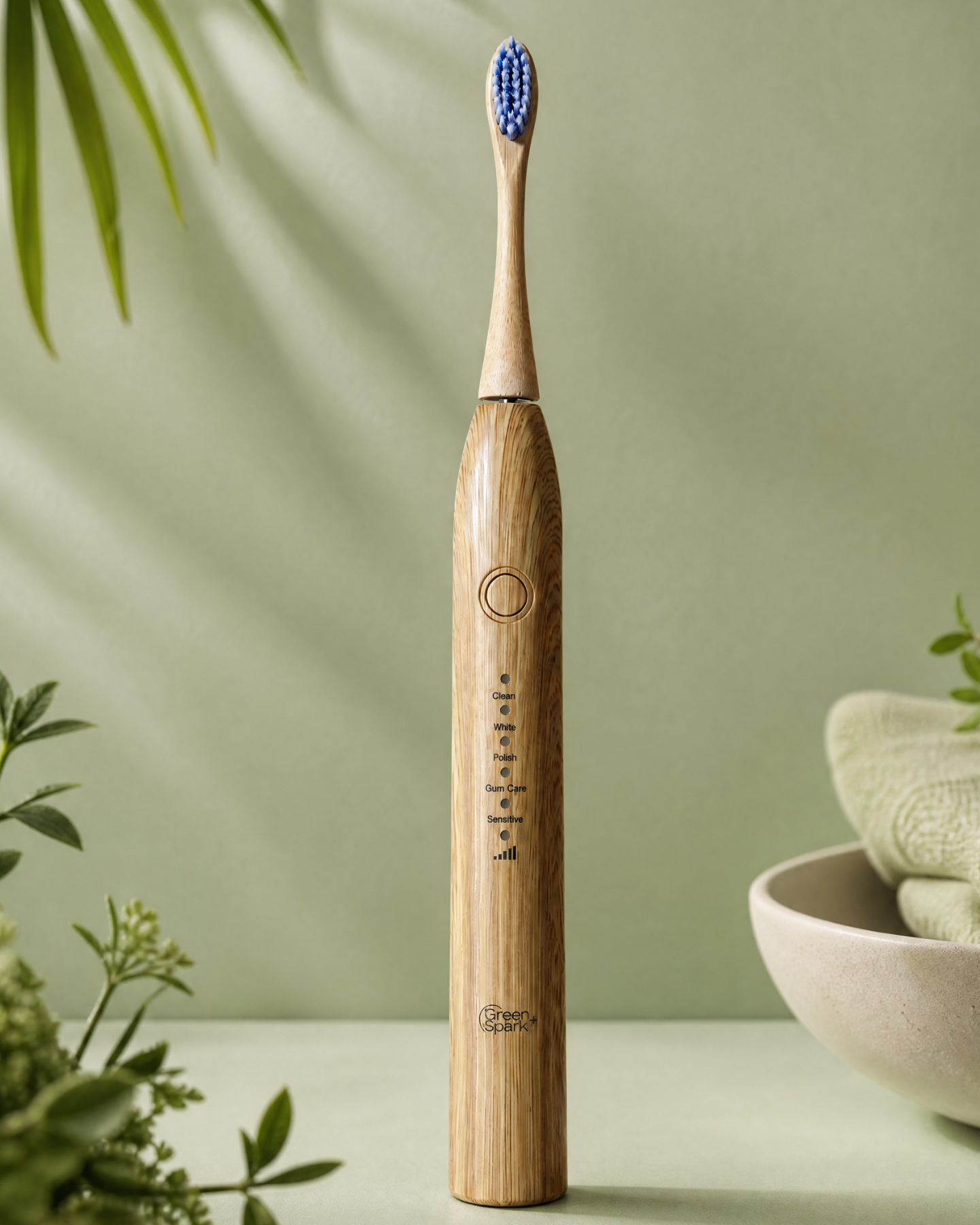
Sustainability is often associated with materials — bamboo instead of plastic, recyclable packaging, or plant-based components.
But when it comes to everyday products like toothbrushes, the reality is more nuanced. A truly sustainable toothbrush isn’t defined by a single feature, but by how it’s designed, used, and how long it lasts.
Understanding what really matters can help you make a more considered choice — one that fits seamlessly into your daily routine.
🌱 It’s Not Just About Materials
Bamboo is often seen as a more sustainable alternative to plastic. It’s fast-growing, renewable, and biodegradable in its natural form.
However, sustainability isn’t always as simple as swapping one material for another. For products that involve electronics — like electric toothbrushes — durability, safety, and longevity become just as important.
Organisations like the WRAP emphasise that reducing waste is closely linked to creating products that last longer and reduce the need for frequent replacement.
🪥 Longevity Matters More Than You Think
One of the biggest contributors to waste is not just what something is made from, but how often it’s replaced.
According to the British Dental Association, toothbrushes should typically be replaced every 3–4 months. Over time, this adds up — especially when entire products are discarded rather than just the parts that wear out.
This is where design plays a key role. Products that allow for replaceable components can significantly reduce long-term waste.
⚡ A More Considered Approach to Design
Electric toothbrushes are often overlooked in sustainability conversations, but they can offer a more thoughtful solution when designed well.
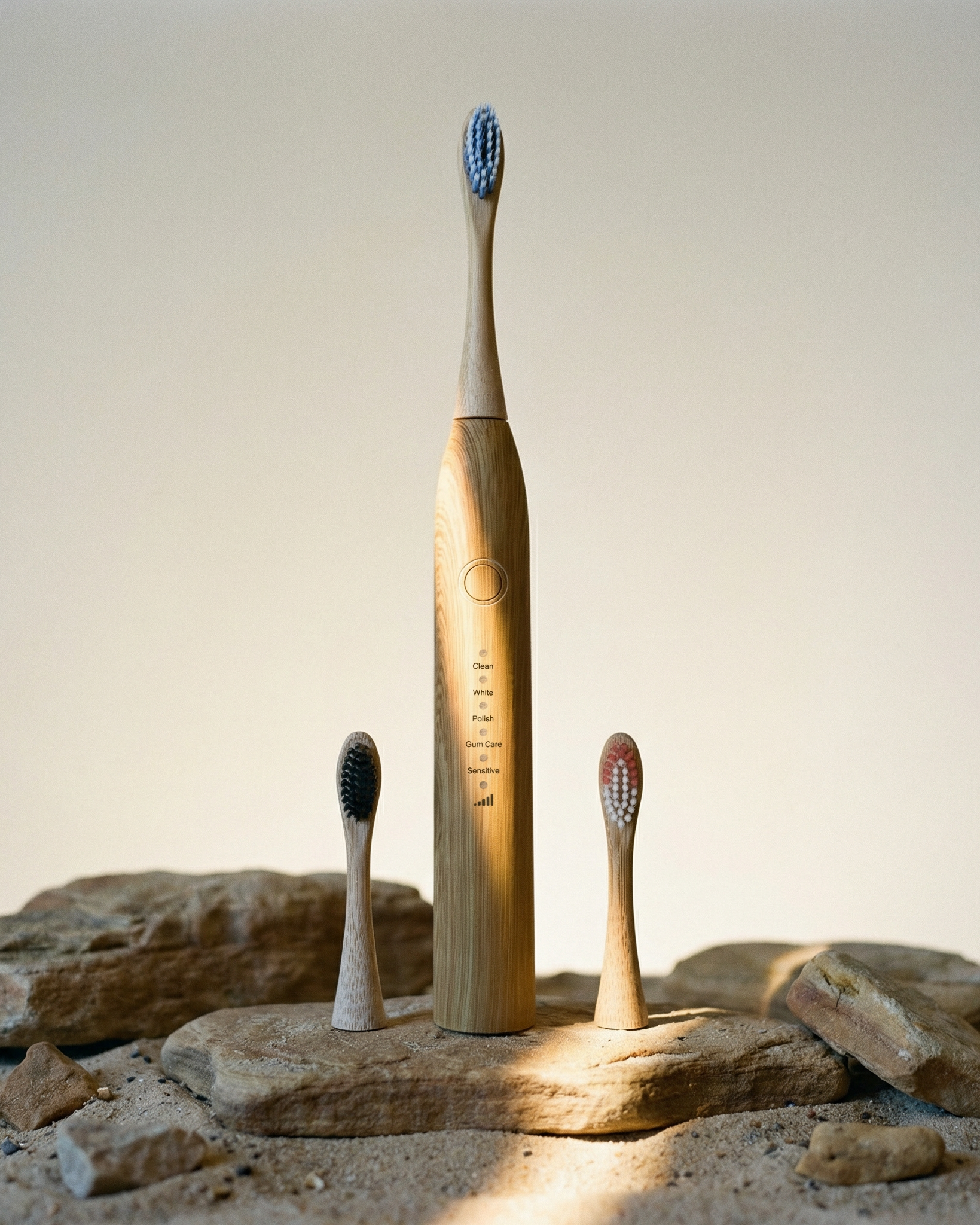
By combining durability with replaceable heads and long battery life, they reduce the need for frequent full replacements.
From a health perspective, the NHS recommends brushing effectively twice a day — making it important to choose a toothbrush that supports both performance and consistency.
🌿 What to Look For in a Sustainable Toothbrush
If you’re looking to make a more considered choice, a few key factors are worth keeping in mind:
- Replaceable brush heads to minimise waste
- Durable construction designed for long-term use
- Rechargeable battery to reduce ongoing consumption
- Thoughtful materials that balance sustainability with performance
- Minimal, recyclable packaging
A more sustainable toothbrush should feel like a long-term addition to your routine — not something disposable.
✨ A More Thoughtful Way Forward
Sustainability doesn’t have to mean compromise.
In many cases, it’s about finding balance — choosing products that combine performance, durability, and more responsible materials.
Rather than focusing on a single feature, it’s the overall design and lifespan of a product that often makes the greatest difference.
Conclusion
A toothbrush is something you use every day, often without much thought.
But by taking a more considered approach, even small changes can contribute to a more mindful routine — one that supports both your wellbeing and the world around you.


Leave a comment
This site is protected by hCaptcha and the hCaptcha Privacy Policy and Terms of Service apply.